Land Leveling in Houston, TX
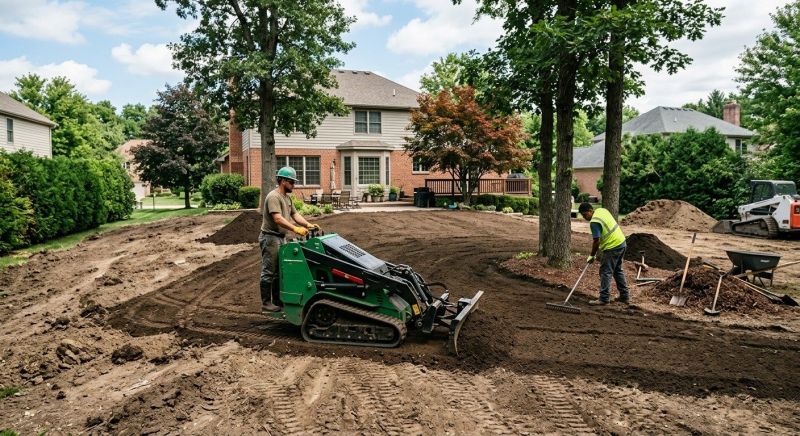
Land leveling services involve adjusting the elevation of a property’s surface to create a smooth, even terrain. This process is commonly used for residential projects such as preparing yards for landscaping, establishing proper drainage, or creating a stable foundation for new construction or driveway installations. Property owners typically request land leveling to improve the usability of their outdoor space, prevent water pooling, and ensure proper slope for drainage, especially in areas prone to uneven ground or erosion.
Before requesting land leveling, property owners should consider the current topography of their land, the extent of grading needed, and any existing structures or utilities that may be affected. Understanding the specific goals for the project, such as leveling for a lawn or preparing for a new structure, can help determine the scope of work required. Clear communication about the property’s features and desired outcomes can assist in planning a successful land grading process.
Many property owners in Houston, TX look into Land Leveling for repairs, replacements, upgrades, and appearance-related improvements.
Property Preparation
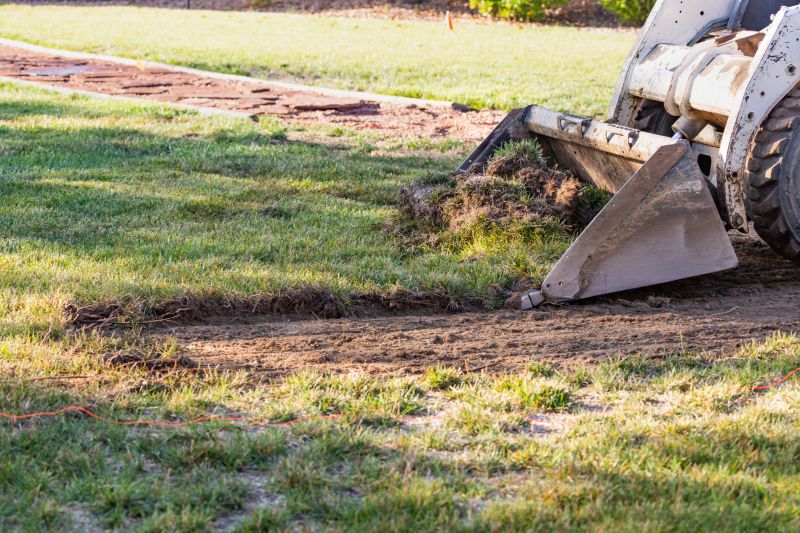
Land leveling helps prepare your yard for construction, landscaping, or drainage improvements.
Soil And Drainage Optimization
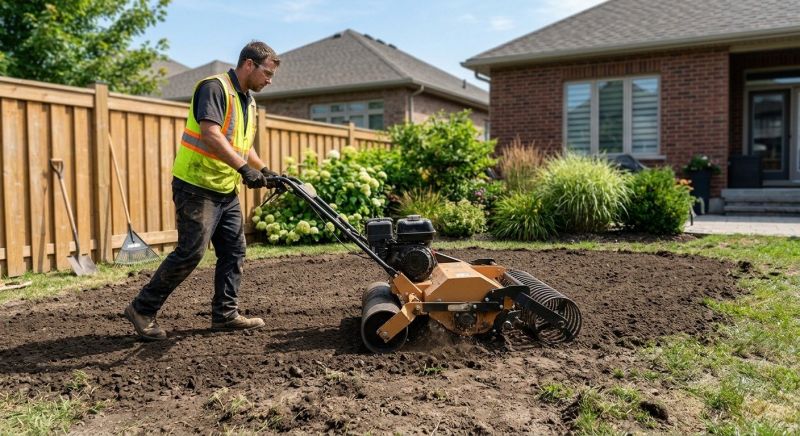
Proper leveling ensures even soil distribution and effective water runoff across your property.
Foundation And Landscape Support
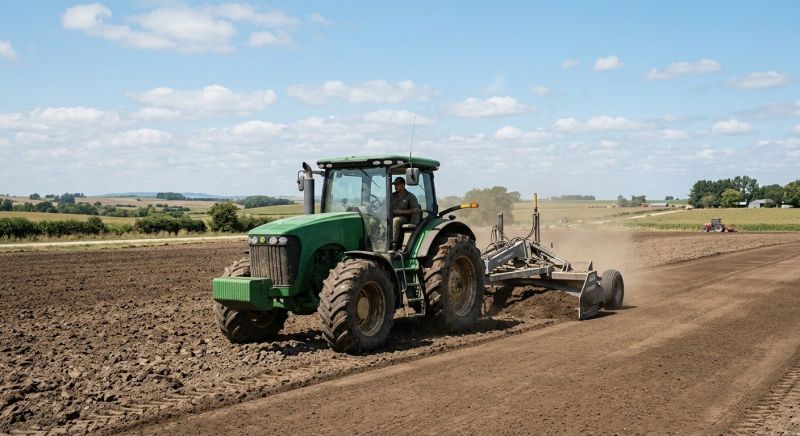
Leveling services create a stable base for building projects and enhance the appearance of outdoor spaces in houston, tx.
Land Leveling in Houston, TX
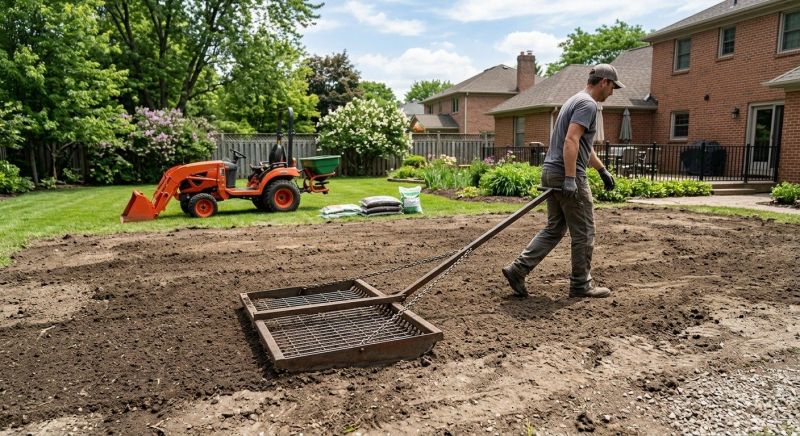
Land leveling services involve adjusting the elevation of a property’s surface to create a smooth, even terrain. This process is commonly used for residential projects such as preparing yards for landscaping, establishing proper drainage, or creating a stable foundation for new construction or driveway installations. Property owners typically request land leveling to improve the usability of their outdoor space, prevent water pooling, and ensure proper slope for drainage, especially in areas prone to uneven ground or erosion.
Before requesting land leveling, property owners should consider the current topography of their land, the extent of grading needed, and any existing structures or utilities that may be affected. Understanding the specific goals for the project, such as leveling for a lawn or preparing for a new structure, can help determine the scope of work required. Clear communication about the property’s features and desired outcomes can assist in planning a successful land grading process.
Many property owners in Houston, TX look into Land Leveling for repairs, replacements, upgrades, and appearance-related improvements.
Common Land Leveling Jobs
Land leveling - ensures a smooth, even surface for construction, landscaping, or drainage.
Yard grading - improves water runoff and prevents pooling around the property.
Site preparation - prepares land for building foundations, gardens, or patios.
Erosion control - stabilizes slopes and prevents soil movement on hilly or uneven terrain.
Agricultural leveling - optimizes land for planting and irrigation efficiency.
Drainage correction - adjusts land contours to improve water flow and prevent flooding.
Land Leveling Questions
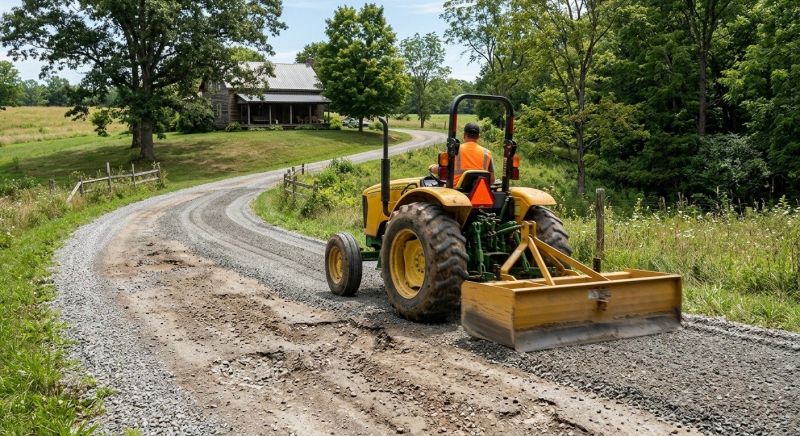
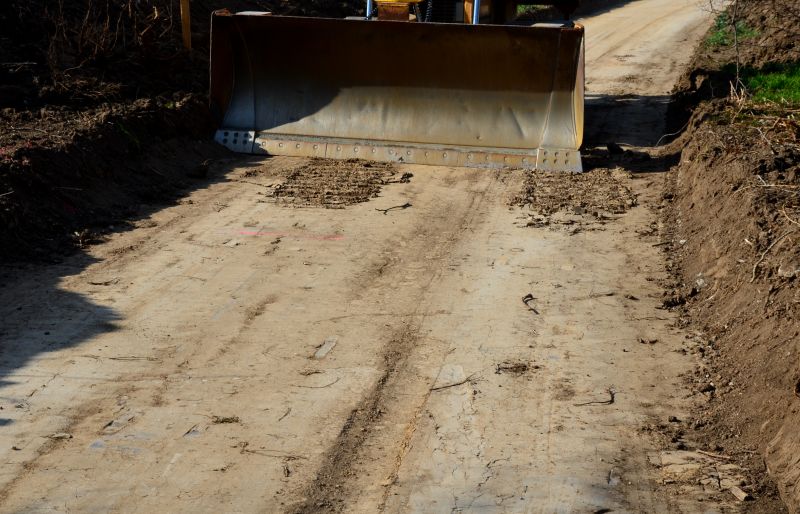
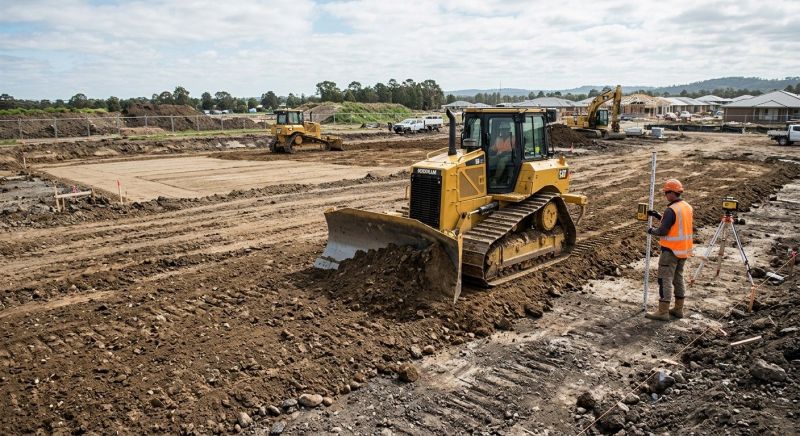
What is land leveling? Land leveling involves smoothing and adjusting the surface of a property to create an even, stable foundation for construction, landscaping, or agriculture projects.
Why is land leveling important? Proper land leveling prevents water pooling, reduces soil erosion, and ensures a stable surface for building or planting.
What types of projects require land leveling? Common projects include home additions, garden installations, driveway construction, and preparing land for farming or landscaping.
How does land leveling benefit property owners? It improves drainage, enhances property usability, and helps maintain the integrity of structures and landscaping efforts.
Request Land Leveling in Houston, TX
Use the quote form on this page to share the basics of your project and request more information for the type of work you need.