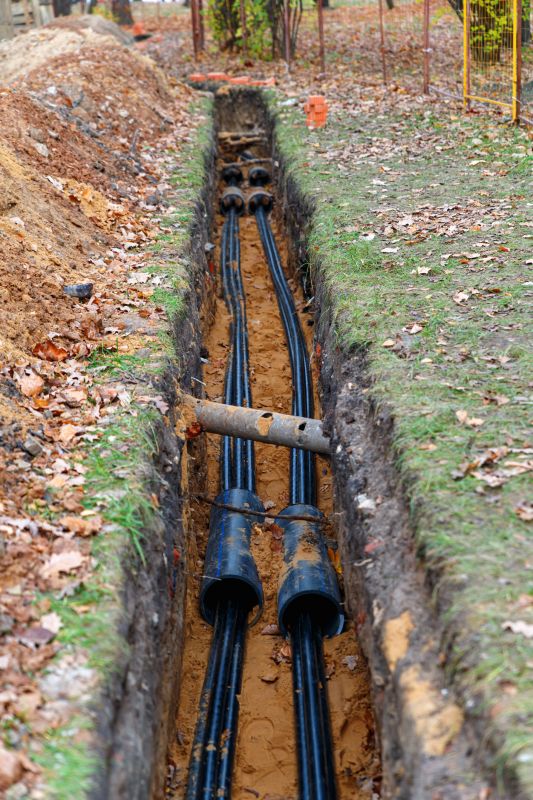
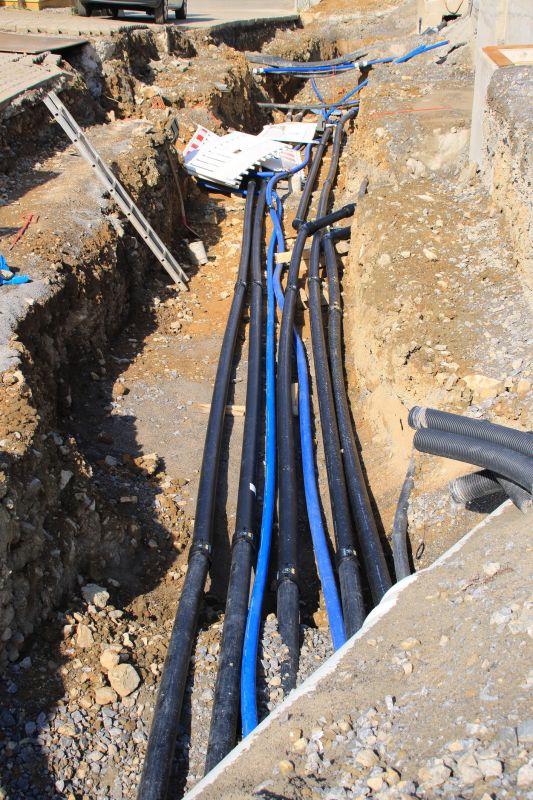
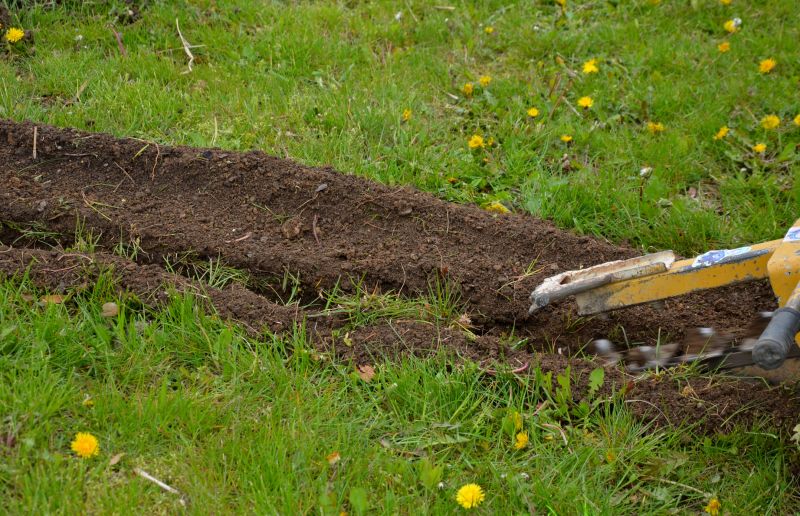
Electrical Line Trenching Services Overview
Visitors will learn about electrical line trenching services and how local contractors can handle the work effectively.
- - Residential property owners seeking to install or upgrade underground electrical lines for homes and yards.
- - Commercial or industrial sites requiring trenching services for large-scale electrical infrastructure projects.
- - Contractors and project managers looking to connect with local electrical line trenching specialists for their construction needs.
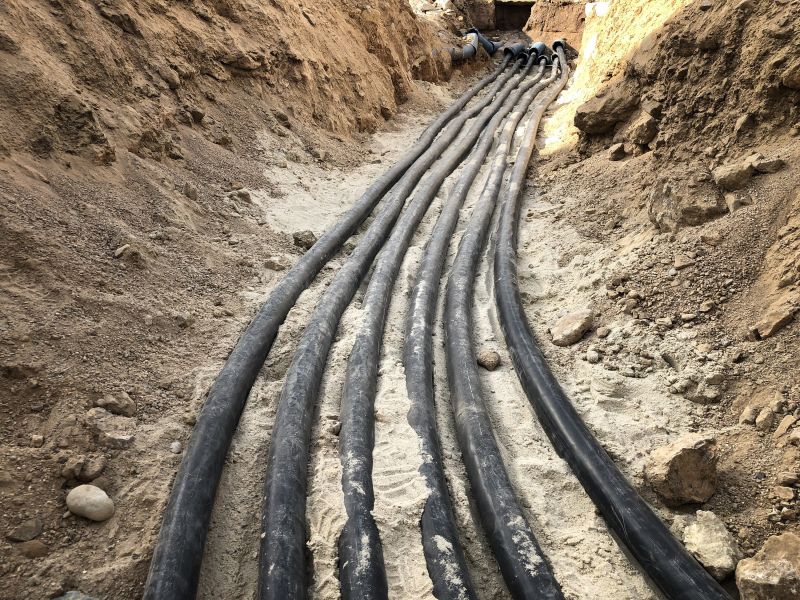
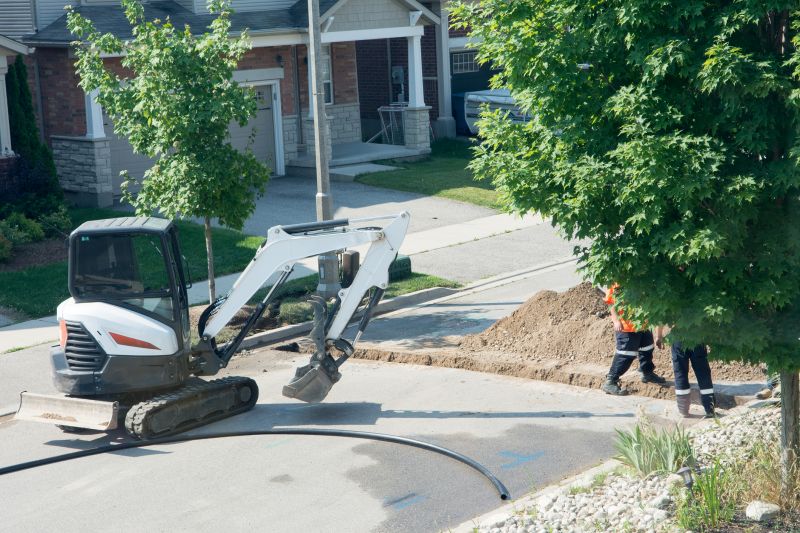
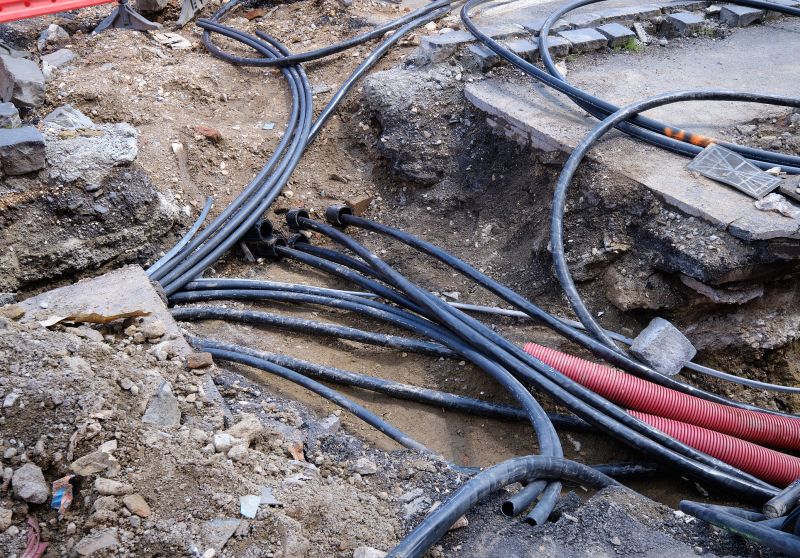
Electrical line trenching services involve excavating narrow channels in the ground to lay or repair underground electrical cables. Property owners often seek these services when installing new electrical systems, upgrading existing infrastructure, or replacing aging lines that run beneath driveways, yards, or public right-of-ways. Local contractors specializing in trenching can handle a variety of project sizes, ensuring that underground wiring is installed safely and efficiently to meet the specific needs of each property.
Connecting with experienced local service providers can help property owners find the right solutions for their electrical trenching needs. These professionals typically have the expertise to assess site conditions, determine the appropriate trenching methods, and complete the work with attention to detail. Whether for residential, commercial, or utility projects, local contractors can provide the necessary services to support underground electrical installations and repairs.
This guide helps visitors understand the key aspects of electrical line trenching services and what to consider when planning a project. It provides information to compare local contractors and connect with experienced service providers in the area. The goal is to assist in gathering the basics needed to make informed decisions about hiring local experts.